Discover the Secrets Behind the Deliciousness of Japanese Sweets
When it comes to Japanese sweets, their visual beauty and refined sweetness immediately come to mind. From the delicate designs of traditional wagashi to the soft, melt-in-your-mouth textures of Western-style desserts, Japanese sweets hold a unique charm that sets them apart from those of other countries.
But why are they so delicious? What secrets are hidden in their ingredients and methods of preparation? In this article, we’ll uncover the reasons behind the exceptional taste of Japanese sweets from various perspectives. By the end, you might just find yourself completely captivated by their charm!
Let’s embark on a journey into this sweet and delightful world!

What Makes Japanese Sweets Unique?
Pursuit of Delicacy and Beauty
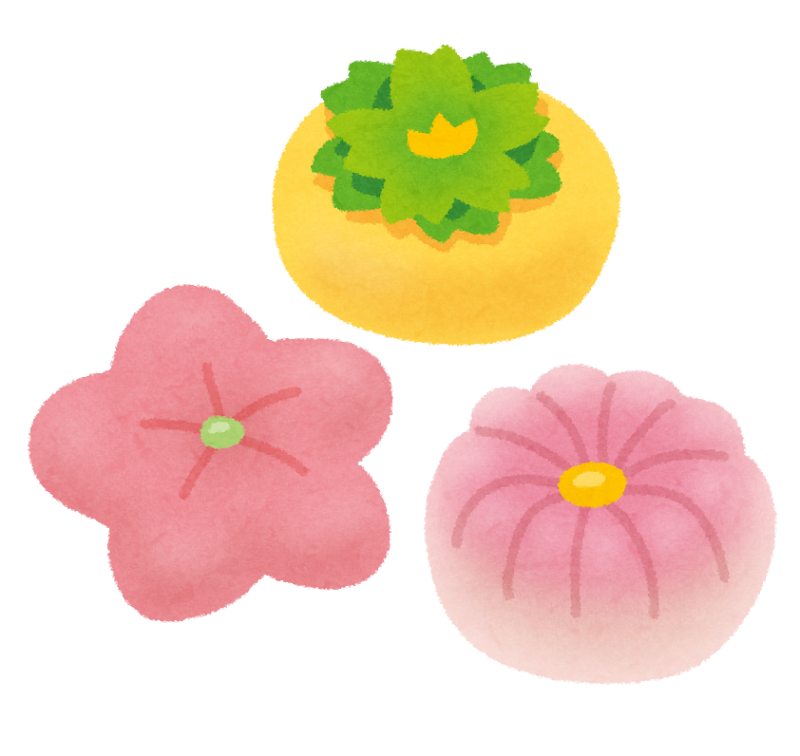
Japanese sweets are known for their exquisite appearance and delicate flavors. In the world of wagashi, representing the changing seasons is considered essential. For example, sakura mochi in spring and chestnut kinton in autumn reflect seasonal elements in both their design and taste. Even in Western-style desserts, the unique Japanese sensibility transforms cakes and parfaits into miniature works of art. This meticulous attention to beauty makes Japanese sweets truly special.

Commitment to Quality Ingredients
The crafting of Japanese sweets places great emphasis on the quality of the ingredients. For wagashi, essential components include high-quality red bean paste and glutinous rice. For Western-style sweets, local ingredients like Hokkaido butter and fresh cream are often used to enhance flavor. Many sweets are made with minimal additives, highlighting the natural flavors of the ingredients. Artisans take great care to bring out the best in each element, ensuring the exceptional quality of Japanese sweets.

How Japanese Sweets Evolved Over Time
Fusion of Wagashi and Western Sweets
Japanese sweets culture has historically centered around wagashi, but it took a new turn when Western sweets were introduced during the Meiji period. Treats like castella and dorayaki, which combine foreign techniques with Japanese traditions, emerged as hybrid confections. After World War II, Western-style sweets like shortcake and pudding gained popularity, further evolving to suit Japanese tastes. This blend of tradition and innovation has shaped a uniquely diverse sweets culture in Japan.
Regional Distinctiveness and Growth
Japanese sweets are deeply influenced by regional characteristics. In Kyoto, refined wagashi are prominent, while Hokkaido specializes in dairy-based Western confections, and Kyushu is known for traditional steamed sweets. Many regions have their own signature treats that reflect their history and environment, often becoming beloved souvenirs for travelers. This rich regional diversity stems from years of effort and creativity, continually driving the evolution of Japanese sweets.
The Craftsmanship Behind the Taste
Passionate Artisans and Masterful Techniques
Artisans play an indispensable role in creating Japanese sweets. Wagashi makers meticulously knead dough and craft red bean paste with utmost precision, relying on years of experience and intuition. Similarly, pastry chefs pay close attention to details like sponge cake texture and cream decoration. This dedication to craftsmanship and a refusal to compromise on quality are what create the unparalleled flavors of Japanese sweets.
Merging Tradition with Modern Technology
In recent years, innovative technologies have been used in Japanese sweets production. Examples include 3D-printed candy sculptures and precise temperature-controlled chocolate processing. Despite these advancements, traditional elements remain integral. Hybrid sweets, such as cakes incorporating red bean paste or matcha, exemplify the seamless blend of tradition and modernity that defines Japanese sweets today.

The Global Appeal of Japanese Sweets
Healthy Options and Variety
Japanese sweets are widely appreciated for being healthier and easier to eat compared to many other desserts. Traditional wagashi, in particular, are often low in fat and calories, making them popular among health-conscious individuals. Even Western-style Japanese sweets are usually offered in small portions, helping to prevent overindulgence. Additionally, the sheer variety—ranging from sweet treats to savory snacks—enhances their appeal to a broad audience.
Visual Aesthetics and a Unique Experience
One of the aspects that astonishes people worldwide is the visual appeal of Japanese sweets. Their vibrant colors and intricate designs make them almost too beautiful to eat, often prompting people to take photos before enjoying them. High-end wagashi and elaborately decorated cakes are especially popular as gifts overseas. This focus on visual presentation adds a unique layer of enjoyment to the experience of eating Japanese sweets, contributing to their global popularity.

Conclusion: The Joy of Japanese Sweets
Japanese sweets are a harmonious fusion of delicate craftsmanship and rich cultural heritage. Behind their delectable flavors lie the passion of skilled artisans, carefully selected ingredients, and centuries of tradition. Combining visual elegance, balanced taste, and even health-consciousness, Japanese sweets continue to captivate both domestic and international audiences.
A single bite of these confections can bring immense happiness. As Japanese sweets continue to evolve, their charm is sure to spread even further across the globe.