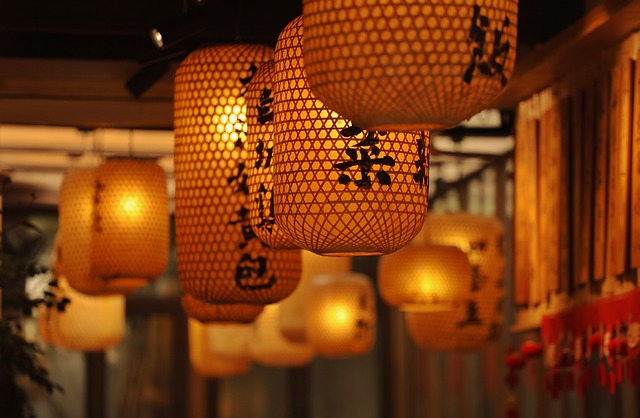
When experiencing Japan’s dining culture, one might wonder, “Why are there so many good restaurants here?” This realization becomes even more striking after traveling abroad, where the consistent quality of Japanese restaurants truly stands out. But what’s even more remarkable is how rarely you come across a “bad” restaurant in Japan—a phenomenon that seems uniquely Japanese.
Why is it that Japan has so few “bad” restaurants? The answer lies in the unique characteristics of Japanese food culture, the structure of the dining industry, and the discerning expectations of its customers. In this article, we’ll dive deep into this question, exploring the reasons behind the exceptional quality of Japanese restaurants and uncovering the fascinating mechanisms that make it possible. By the end, you’ll understand the secrets of Japan’s “delicious dining” culture!
Why Japanese Restaurants Rarely Get Called Bad
The Refined Palate of Japanese People
Japanese people have a highly developed sense of taste. From a young age, they are exposed to diverse flavors through home-cooked meals and school lunches, which naturally raises the bar for what they consider “delicious.” Japanese cuisine, often characterized by delicate seasonings like dashi and soy sauce, appeals to this refined palate. The emphasis on subtle, balanced flavors makes it difficult for restaurants to get away with subpar food.
Additionally, the rich regional food culture across Japan plays a role. Each area has its own traditional dishes and local specialties, creating high expectations for restaurants to uphold and innovate on these culinary traditions. This cultural focus on quality ensures that “bad” restaurants have little room to thrive.
How Restaurants Survive Fierce Competition
Japan’s dining industry is fiercely competitive. In urban areas, a short walk can lead you past dozens of restaurants, giving consumers plenty of choices to find the best-tasting food. To survive in this environment, restaurants must consistently deliver high-quality food and service.
Feedback from customers also plays a critical role. Japanese restaurants pay close attention to reviews and suggestions, striving to improve every aspect of their operation, from food quality to customer service. This relentless drive for excellence ensures that any restaurant serving poor-quality food is quickly weeded out, creating an environment where only the best can thrive.

will zhangによるPixabayからの画像
Factors Supporting Japan’s ‘Delicious’ Culture
Commitment to Freshness and Quality
In Japan, freshness is paramount. Dishes like sushi and sashimi depend heavily on the quality of their ingredients, compelling restaurants to source only the best.
Moreover, Japan’s culinary tradition places great importance on seasonal ingredients. By utilizing ingredients at their peak, restaurants naturally enhance the flavors of their dishes. This focus on seasonality not only elevates taste but also sets a standard that restaurants must meet to remain competitive.
Hygiene and food safety also contribute to the high quality of Japanese dining. Strict standards govern how food is handled, prepared, and stored, providing a foundation of trust for consumers and ensuring a consistently high level of dining satisfaction.
Advanced Culinary Skills and Exceptional Hospitality
Japanese chefs are deeply committed to their craft. Many spend years honing their skills through formal training and apprenticeships, striving to master their chosen cuisine. This dedication to perfection elevates the overall quality of food in Japan.
Equally important is the emphasis on hospitality. Rooted in the cultural concept of omotenashi—thoughtful and considerate service—restaurants in Japan prioritize creating a welcoming and enjoyable dining experience. This combination of culinary expertise and warm hospitality ensures that customers leave satisfied, reducing the likelihood of any establishment being labeled as “bad.”

abdulla binmassamによるPixabayからの画像
Unique Features of Japan’s Dining Industry
Diversity and Niche Strategies
Japan’s dining scene is incredibly diverse. From casual izakayas to high-end restaurants and specialized eateries, there’s something to suit every taste and budget. This diversity allows restaurants to carve out niches, focusing on specific dishes like ramen or curry and perfecting them to stand out in the competitive market.
Such specialization drives innovation, as establishments constantly strive to improve their offerings. For instance, ramen shops develop unique broths and noodles to attract loyal customers, ensuring that mediocrity has no place in the industry.
The Power of Reviews and Word of Mouth
In Japan, online reviews and word of mouth significantly influence a restaurant’s reputation. Platforms like Tabelog and Google Reviews are widely used, enabling consumers to easily check a restaurant’s ratings before visiting.
In this system, “bad” restaurants are quickly exposed and avoided by potential customers. Consequently, restaurant owners are highly motivated to maintain high standards of quality and service, leading to an overall improvement in the industry.
Comparing Japan to the Rest of the World
A Nation That Doesn’t Tolerate ‘Bad’
Japanese consumers have a strong expectation that dining out should always be a satisfying experience. Unlike in some countries where low prices might justify lower quality, Japanese diners expect a certain level of excellence even at budget-friendly establishments. This cultural norm leaves little room for “bad” restaurants to survive.
The Discerning Eye of Japanese Consumers
Japanese consumers hold professionals to a high standard, including those in the dining industry. There’s an unspoken expectation that even affordable food should be prepared with care and skill. This pressure drives chefs and business owners to continuously improve, resulting in an industry where subpar offerings are rare.
Conclusion
“Why are there so few bad restaurants in Japan?” The answer lies in the high culinary standards of Japanese people, the intense competition within the dining industry, a commitment to fresh ingredients, and the discerning expectations of consumers. These factors combine to create a natural system of quality control that ensures most restaurants consistently deliver great food and service.
As Japan’s dining culture continues to evolve, it’s clear that the tradition of “deliciousness” will remain a defining characteristic. Dining out in Japan isn’t just about satisfying hunger—it’s an experience built on trust, excellence, and a shared appreciation for the art of good food.