Coffee shops are a staple of daily life across Japan. From morning sets to light lunches and afternoon coffee breaks, they offer a slice of comfort amid the busyness of life. But why are there so many coffee shops in Japan? And have you ever wondered if their style varies by region?
In this article, we’ll dive deep into the roots and evolution of Japan’s coffee shop culture and uncover the unique characteristics of coffee shops in different areas. By the end, you’ll not only gain inspiration for your next coffee shop visit but also discover the deeper charm behind these cherished spaces. Let’s embark on a journey through Japan’s coffee shop culture!
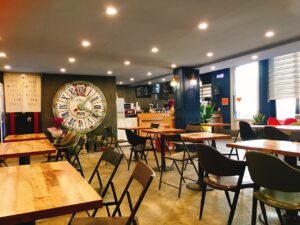
Image by inyoung Jeong from Pixabay
The Origins and Evolution of Coffee Shops in Japan
The Birth of Coffee Shops in the Meiji Era
Coffee shops first appeared in Japan during the Meiji period. The country’s first coffee shop, Kahi Chakan, opened in Tokyo’s Ueno district in 1878. At that time, coffee shops symbolized Western sophistication and were primarily frequented by intellectuals and the wealthy. With coffee and tea still considered novelties, spending time at a coffee shop was a mark of status and aspiration.
As the Taisho and early Showa periods unfolded, coffee shops became accessible to the general public, evolving into salons for music and theater. After World War II, they became even more popular as havens for relaxation in a society with limited entertainment options. This laid the foundation for Japan’s rich and diverse coffee shop culture as we know it today.
Coffee Shops as “Third Places” in the Showa Era
During the economic boom of the 1950s to 1970s, coffee shops reached the height of their popularity. They became essential “third places,” offering an escape from home and work. People used them for a variety of purposes: socializing with friends, business meetings, reading, or studying. Coffee shops proliferated, especially those run by independent proprietors.
Their charm lay in their inviting atmosphere, where lingering over a single cup of coffee was not just tolerated but welcomed. Specialized venues like jazz cafes (where you could listen to records) and pure cafes (characterized by retro interiors and unique menus) became cultural hubs during this period.
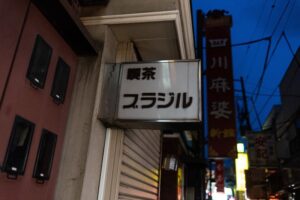
How Regional Styles Shape Coffee Shops Across Japan
Nagoya’s Famous Morning Culture
Nagoya is synonymous with its unique morning service. Order a single cup of coffee, and you’ll often receive a complimentary breakfast of toast, boiled eggs, or sweet red bean paste (anko). This tradition emerged from intense competition among local coffee shops and has become a key part of community life.
In recent years, Nagoya’s morning culture has attracted tourists, leading to even more luxurious options like “premium mornings” with desserts and other extras. Beyond breakfast, it’s a cultural experience that blends hospitality and culinary creativity.

Image by Victoria Al-Taie from Pixabay
Kyoto’s Traditional Coffee Shops and Elegance
In Kyoto, coffee shops often reflect the city’s historical and cultural heritage, seamlessly blending into traditional machiya (townhouse) architecture. Many of these establishments feature serene Japanese-style interiors, offering specialties like matcha lattes and hand-roasted coffee. Both locals and tourists appreciate the tranquil ambiance.
Some coffee shops have even repurposed historic buildings, making them destinations in themselves. Visiting a Kyoto coffee shop often feels like stepping into another time, where seasonal views and refined aesthetics enrich the experience.
Retro-Modern Coffee Shops in Tokyo
Tokyo is home to countless retro-style coffee shops, especially pure cafes, where you can order nostalgic treats like cream soda or pudding à la mode. These coffee shops are particularly popular in neighborhoods with historical charm or as hidden gems in busy urban areas, providing a quiet respite from the hustle and bustle.
At the same time, Tokyo has embraced a wave of modern coffee shops that emphasize premium beans and innovative menus. Whether it’s vintage or cutting-edge, Tokyo’s coffee shop culture represents a perfect blend of past and present.
Spacious and Unique Coffee Shops in Hokkaido
Hokkaido’s coffee shops are known for their spacious interiors, often featuring natural wood and large windows that frame breathtaking views. These warm and cozy spaces are perfect for enduring the region’s long winters. Many even have fireplaces to create a truly inviting atmosphere.
Local specialties are a highlight, including rich café au lait made with fresh Hokkaido milk and desserts featuring locally grown berries. Hokkaido coffee shops offer a one-of-a-kind experience, blending natural beauty with culinary indulgence.

The Modern Evolution of Coffee Shops in Japan
Chains vs. Independently Owned Coffee Shops
In recent years, the rise of global chains like Starbucks and Tully’s has introduced new dynamics to Japan’s coffee shop scene. While chains excel in convenience and consistency, independent coffee shops offer unique atmospheres and personal connections. Regulars often form close bonds with shop owners, and many venues feature one-of-a-kind menus.
This coexistence of chains and independent shops has enriched the coffee culture in Japan, providing options for every preference—whether you seek efficiency or a memorable experience.
The Rise of Niche Coffee Shops
A new wave of concept coffee shops is gaining traction, catering to specific themes or interests. Examples include cat cafes where you can relax with furry friends, and book cafes where you can enjoy a coffee surrounded by shelves of books. These spaces turn a simple coffee break into a special, tailored experience.
Additionally, the rise of remote work has increased demand for work-friendly cafes with Wi-Fi and power outlets. Modern coffee shops are evolving to meet the diverse needs of today’s customers, ensuring that the culture remains vibrant and relevant.

Image by Engin Akyurt from Pixabay
Conclusion: Why Japan’s Coffee Shop Culture Endures
Japan’s coffee shop culture has thrived by blending history, regional diversity, and modern innovation. Far more than places to grab a drink, coffee shops serve as sanctuaries where people can relax, connect, and recharge. Whether you’re exploring a retro café in Tokyo, savoring a morning set in Nagoya, or unwinding in a tranquil Kyoto hideaway, every coffee shop visit offers a chance to experience something unique.
Next time you visit a coffee shop, take a moment to appreciate its history, design, and regional flavor—you might just discover a new favorite spot.

Image by Brendy Pradana from Pixabay