- Do Lost Wallets Really Come Back in Japan?
- Why Lost Items Are Often Returned
- What to Do First If You Lose Your Wallet
- If You Lost It on a Train or at a Station
- If You Lost It in a Taxi
- If You Lost It in a Shop, Restaurant, or Cafe
- How to Report a Lost Wallet at a Koban
- What If Your Credit Cards Are Inside?
- What If Your Passport Is Lost?
- Why Contact Information Helps
- What If You Find Someone Else’s Wallet?
- Why the System Works for Travelers
- Things That Make Recovery Harder
- How to Reduce the Risk Before It Happens
- Quick Checklist If You Lose a Wallet in Japan
Do Lost Wallets Really Come Back in Japan?
Japan has a strong reputation for lost items being returned. Many visitors hear stories about wallets, phones, bags, cameras, and passports finding their way back to the owner. These stories are not just tourist myths. Japan does have a very organized lost-and-found culture.
However, it is important to be realistic. A lost wallet in Japan is not guaranteed to come back. The result depends on where you lost it, whether someone found it, whether it was handed to staff or police, whether your contact information was inside, and how quickly you report it.
The useful question is not only “Why do lost wallets come back?” It is also “What should I do if I lose my wallet in Japan?” This guide explains both the cultural background and the practical steps visitors should take.
Why Lost Items Are Often Returned
Several factors work together in Japan. No single reason explains everything.
People Are Used to Handing Lost Items In
Many people in Japan learn from childhood that found items should be taken to a teacher, station staff, shop staff, or police box. This habit is practical, not only moral. If an item is handed to the right place, the owner has a better chance of finding it.
This does not mean every person is honest in every situation. Theft exists in Japan. But the social expectation is clear: a found wallet is not something to keep.
Koban Police Boxes Are Easy to Find
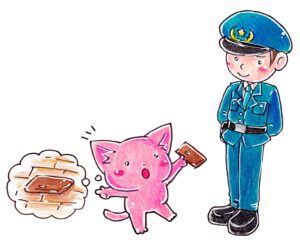
One of Japan’s important systems is the koban, or small neighborhood police box. Koban are common near stations, shopping districts, and residential areas. People can bring found items there, ask for directions, report problems, or get help.
For travelers, koban are useful because you do not always need to find a large police station first. If you lost a wallet nearby, a koban is often the right place to ask.
Train Stations and Shops Have Lost-and-Found Procedures
Japan’s transport system is very organized, and train stations handle many lost items every day. If you lose something on a train, platform, bus, taxi, shopping mall, convenience store, museum, or restaurant, the item may first be kept by that facility before being transferred to police.
This is why the first place to ask is often the place where you lost it, not only the police. Station staff, hotel staff, shop staff, and restaurant staff may already have a lost item procedure.
Cash Still Matters
Japan still uses cash more than some visitors expect. Many wallets contain cash, cards, train passes, driver’s licenses, residence cards, student IDs, or health insurance cards. Because wallets often contain important personal information, people understand that losing one can cause serious trouble.
This may encourage people to hand wallets in quickly. It also means you should act quickly if your wallet contains credit cards, passport cards, or identification.
What to Do First If You Lose Your Wallet
If you lose your wallet in Japan, do not panic. Move step by step.
- Think about the last place you used it.
- Check your bag, pockets, hotel room, and seat area carefully.
- Ask staff at the place where you may have lost it.
- If it may have been lost on public transport, contact the railway, bus, taxi, or station office.
- Visit a nearby koban or police station to file a lost property report.
- Cancel or freeze cards if necessary.
- If your passport is missing, contact your embassy or consulate.
Acting quickly matters. A wallet found in a shop may stay there for a while. A wallet found on a train may move to a station office or railway lost-and-found center. A wallet found on the street may be handed to a koban.
If You Lost It on a Train or at a Station
Train stations are one of the most common places where travelers lose items. You may leave a wallet on a seat, ticket machine, restroom shelf, coin locker area, platform bench, or convenience store counter inside the station.
If you know the train line or station, ask station staff first. Give clear details:
- the station name
- the train line
- the approximate time
- where you sat or stood
- the wallet color and shape
- what was inside
- your contact information
If you lost it on a train, staff may ask for the train direction, departure time, car number, or destination. Even rough information can help.
If You Lost It in a Taxi
If you paid by card or app, check your receipt or ride history. If you have a taxi receipt, it may include the taxi company name and vehicle number. Contact the taxi company as soon as possible.
If you do not have a receipt, remember where you got in, where you got out, the time, and any details about the taxi. If the wallet does not turn up quickly, file a lost property report with the police.
For more about taxi costs and use in Japan, see: Why Are Taxis in Japan So Expensive?.
If You Lost It in a Shop, Restaurant, or Cafe
Ask the staff directly. Many shops keep found items at the register, office, or information counter. In department stores and shopping malls, there may be a central information desk or lost-and-found counter.
Try to give specific information instead of only saying “wallet.”
- “It is a black leather wallet.”
- “It has my credit card and hotel key card inside.”
- “I sat near the window around 2 p.m.”
- “I may have left it on the table.”
If you are in a cafe, it may help to show a photo of the wallet if you have one. For cafe use in Japan generally, see: Why Are There So Many Coffee Shops in Japan?.
How to Report a Lost Wallet at a Koban
At a koban or police station, you can file a lost property report. The officer may ask where and when you lost the item, what it looks like, what was inside, and how to contact you.
Useful English phrases:
- “I lost my wallet.”
- “I think I lost it near this station.”
- “It is a brown wallet.”
- “My credit cards and cash are inside.”
- “Can I file a lost property report?”
Useful Japanese phrases:
- Saifu o nakushimashita. – I lost my wallet.
- Otoshimono no todoke o shitai desu. – I want to file a lost property report.
- Kono hen de nakushita to omoimasu. – I think I lost it around here.
- Naka ni kurejitto kado ga haitte imasu. – There are credit cards inside.
If you are in Tokyo, the Tokyo Metropolitan Police Department has an English Finding Services section here:
Tokyo Metropolitan Police Department: Finding Services
What If Your Credit Cards Are Inside?
If your wallet contains credit cards, debit cards, or bank cards, contact your card issuer quickly. Even if Japan has a strong lost-and-found culture, you should not wait too long before protecting your accounts.
Many banks and credit card companies have international phone numbers. If you cannot call, use the card company’s app or website if available. If your phone is also lost, ask your hotel front desk for help.
What If Your Passport Is Lost?
If your passport is inside the wallet or bag, treat it as urgent. Report the loss to police and contact your embassy or consulate. You may need a police report or loss certificate depending on your country’s procedure.
Keep a digital copy of your passport information page in secure storage before traveling. Do not rely only on a paper copy kept in the same bag as your passport.
Why Contact Information Helps
If your wallet contains a business card, student card, hotel card, or ID with contact information, it may be easier for staff or police to identify you. Some people keep a small card in their wallet with their name, email address, and hotel contact while traveling.
Be careful about privacy, but a simple contact card can help. For example:
- name
- email address
- hotel name and phone number
- emergency contact
A hotel card is especially useful because staff can receive calls in Japanese and help you.
What If You Find Someone Else’s Wallet?
If you find a wallet in Japan, do not keep it and do not leave it where it is. Bring it to the nearest koban, police station, station office, shop counter, or facility staff depending on where you found it.
If you found it inside a train station, hand it to station staff. If you found it inside a restaurant or shop, give it to staff. If you found it on the street, a koban is usually appropriate.
Do not open the wallet more than necessary. If you need to explain what you found, say:
- Saifu o hiroimashita. – I found a wallet.
- Koko de hiroimashita. – I found it here.
Why the System Works for Travelers
The lost-and-found system works because many people know where to take found items. Police boxes, station offices, shop counters, hotel desks, and facility information desks all act as parts of the system.
This is one reason Japan can feel safe and organized to visitors. It is not only about individual honesty. It is also about having clear places where found items can go.
Japan’s general attention to public order also appears in other parts of daily life. For example, see: Why Is Japan So Clean Without Many Trash Bins?.
Things That Make Recovery Harder
Even in Japan, some situations make recovery harder:
- you do not know where you lost it
- you were moving between many stations
- you lost it late at night in a crowded nightlife area
- there is no contact information inside
- it was stolen rather than accidentally lost
- you wait too long before reporting it
- you leave Japan before checking lost-and-found offices
If you are traveling soon, ask your hotel or a trusted local contact whether they can receive calls or help follow up after you leave.
How to Reduce the Risk Before It Happens
- Carry only the cards and cash you need for the day.
- Keep a backup card in a separate place.
- Use a small coin purse for daily cash and keep important cards separate.
- Take a photo of your wallet before the trip so you can describe it.
- Keep your hotel card in your wallet.
- Check your seat before leaving trains, taxis, cafes, and restaurants.
- Use a bag with a secure pocket in crowded areas.
Quick Checklist If You Lose a Wallet in Japan
- Retrace your last steps.
- Ask staff where you last used or saw it.
- Contact the train, bus, taxi, shop, or hotel if relevant.
- File a report at a koban or police station.
- Cancel or freeze cards if needed.
- Contact your embassy if your passport is missing.
- Leave clear contact information before moving to the next city.
Lost wallets in Japan often come back because people, businesses, transport staff, and police all support a practical lost-and-found system. If you lose something, act quickly and use that system. Your chances are much better when you know where to ask and what information to provide.