Why Is Waste Separation So Strict in Japan?
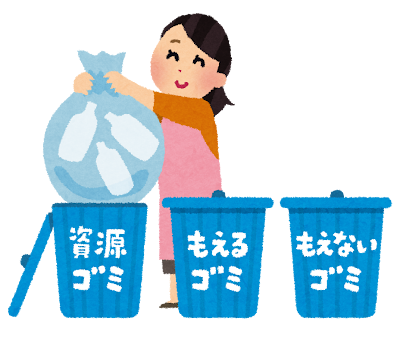
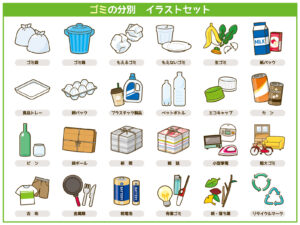
Waste separation in Japan can feel surprisingly strict, especially if you are visiting from a country where most household trash goes into one or two bins. In Japan, people may separate burnable trash, non-burnable trash, cans, glass bottles, PET bottles, paper, cardboard, plastic packaging, and oversized garbage.
The most important thing to understand is this: there is no single national trash rule that works everywhere. Waste separation rules differ by city, ward, town, and village. Tokyo, Kyoto, Osaka, Sapporo, and a small rural town may all have different collection days and sorting categories.
For travelers, the goal is not to memorize every rule. The goal is to avoid the common mistakes and follow local instructions when they are available.
Why Are the Rules So Detailed?
Japan separates waste for several reasons: limited landfill space, recycling efficiency, local incineration systems, and the need to manage different materials safely.
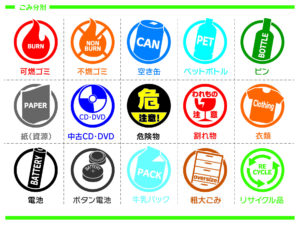
Many Japanese cities burn a large part of household waste in incineration facilities. But not everything should be burned together. Cans, glass bottles, PET bottles, batteries, spray cans, and large items need different treatment. If people mix everything, recycling becomes harder and collection can become dangerous.
Another reason is that municipalities manage waste locally. A city designs its rules based on its own facilities, contracts, population density, and recycling system. This is why the details change from place to place.
For broad policy background, the Ministry of the Environment provides information about Japan’s recycling and waste policies:
Ministry of the Environment: Waste and Recycling
The Main Categories You Will See
The exact names differ, but these categories are common in many areas.
Burnable Trash
Burnable trash often includes food waste, tissues, small paper waste, dirty plastic, and other items that can be incinerated. In some cities, certain plastic packaging is also treated separately, so always check local rules if you are staying longer.
Non-Burnable Trash
Non-burnable trash may include ceramics, metal items, glass that is not collected as a bottle, small appliances, and other materials that should not go into burnable trash. This category varies a lot by municipality.
Cans, Glass Bottles, and PET Bottles
Drink containers are often separated. PET bottles are usually treated differently from cans and glass bottles. In many places, you should remove the cap and label from a PET bottle before disposal.
When you buy drinks from vending machines, nearby recycling boxes are usually for bottles and cans only. Do not put food wrappers or general trash into them. Related article: The Vending Machine Culture in Japan.
Plastic Packaging
Some municipalities collect plastic packaging separately. This can include food trays, wrappers, bags, and containers marked with the plastic recycling symbol. Other municipalities may treat dirty plastic as burnable trash.
Paper and Cardboard
Newspapers, magazines, cardboard, and paper cartons may have separate collection days. Residents often tie paper with string before putting it out.
Oversized Garbage
Large items such as furniture, mattresses, bicycles, and appliances cannot simply be left at a trash collection point. They often require a reservation and a paid sticker. If you are a tourist, do not leave large items behind at an Airbnb or hotel without asking.
What Travelers Need to Know
If you are staying in a hotel, your situation is simple. Put normal room trash in the room’s trash bin. Hotel staff will handle it according to local rules. If you have many bottles or cans, it is helpful to keep them separate.
If you are staying in an Airbnb, guesthouse, share house, or monthly apartment, you need to be more careful. The host should provide local trash instructions. Follow them even if they seem complicated.
Common guest mistakes include:
- putting all trash into one bag
- leaving trash out on the wrong day
- using the wrong color bag
- mixing bottles, cans, and food waste
- leaving large items without reservation
- putting trash at a neighbor’s collection point
These mistakes can create trouble for hosts, neighbors, and building managers. If you are unsure, ask before throwing things away.
Why Collection Days Matter
In many Japanese neighborhoods, trash is collected only on specific days. Burnable trash may be collected two or three times a week, while recyclables or non-burnable trash may be collected less often.
Residents usually put trash out in the morning of collection day, not the night before. Rules differ by area, but putting trash out too early can attract crows, cats, insects, or complaints from neighbors.
This is one reason short-term visitors can get confused. In some countries, you can put trash into a bin at any time. In Japan, the timing may be part of the rule.
What About Public Trash?
When you are outside, you may not find many public trash bins. This connects directly to Japan’s waste separation culture. A general public bin is difficult to manage when different materials should be handled separately.
If you buy a drink, use a vending machine recycling box for the bottle or can. If you buy food from a convenience store, use the store’s bin only when appropriate. If there is no bin, carry the trash until you find one.
For more practical advice, read: Why Is Japan So Clean Without Many Trash Bins?.
Is the System Strict for Everyone?
Yes, but the strictness feels different depending on where you live. Some towns have very detailed calendars with many categories. Other areas are simpler. Apartment buildings may also have their own shared garbage rooms, which can make disposal easier.
Japanese residents often receive printed garbage calendars from the local city or ward office. These calendars show collection days and sorting rules. Many municipalities also provide apps or multilingual PDF guides.
If you move to Japan, search for your city or ward name plus “garbage separation English” or ask your landlord. Do not assume your friend’s rules in another city apply to you.
Useful Japanese Words
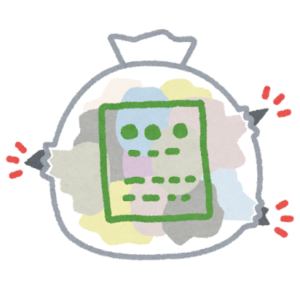
- Moeru gomi: burnable trash
- Moenai gomi: non-burnable trash
- Shigen gomi: recyclable resources
- Kan: cans
- Bin: glass bottles
- PET bottle: plastic drink bottle
- Sodai gomi: oversized garbage
- Gomi dashibi: trash collection day
Simple Rules for Visitors
- At hotels, use the room trash bin for normal trash.
- At Airbnb or apartments, follow the host’s local instructions.
- Separate PET bottles, cans, and glass bottles when possible.
- Do not leave trash outside on random days.
- Do not use vending machine recycling boxes for food wrappers.
- Do not dump large items without asking.
- When unsure, ask staff, your host, or the building manager.
Related Articles
- Why Is Japan So Clean Without Many Trash Bins?
- The Vending Machine Culture in Japan
- Can You Drink Tap Water in Japan?
Final Thoughts
Waste separation in Japan is strict because waste is managed locally, recycling systems need clean separation, and different materials require different treatment. The system can feel complicated, but it works best when people follow local rules.
If you are visiting Japan, you do not need to master every detail. Just remember that rules differ by area, public bins are limited, and bottles, cans, PET bottles, food waste, and large items should not all be treated the same way.
A little attention goes a long way. Sorting your trash properly is one of the quiet ways to travel respectfully in Japan.

