- Introduction
- The Background of Free Pocket Tissue Distribution: Japan’s Unique Tissue Culture
- The Business Model and Advertising Strategy of Tissue Distribution
- Tissue Distribution in International Comparison: Is It Unique to Japan?
- Laws Related to Tissue Distribution and Environmental Impact
- Conclusion: The Future and Business Opportunities Brought by Free Distribution
Introduction
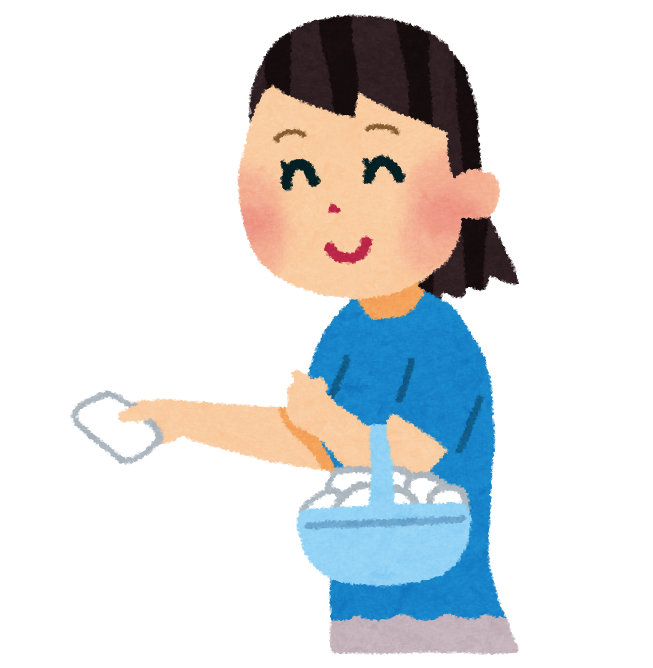
Everyone has probably received a free pocket tissue while walking down the street, right? Have you ever wondered, “Why are pocket tissues distributed for free so commonly in Japan?”
In fact, there’s a unique tissue culture and a clever business model hidden behind this practice! In this article, we’ll delve into the secrets behind it, exploring the background of tissue distribution, business strategies, and even the environmental impact. Let’s unravel this mystery together!
The Background of Free Pocket Tissue Distribution: Japan’s Unique Tissue Culture
Why Did Street Tissue Distribution Begin?
The free distribution of pocket tissues in Japan dates back to the 1960s during the period of rapid economic growth. At that time, companies were seeking new advertising methods, and one idea that emerged was using pocket tissues as an advertising medium.
By distributing practical products for free, they could deliver advertisements directly into consumers’ hands, which was highly evaluated for its effectiveness in increasing brand recognition.
The Effectiveness of Tissue Advertising in Japan and Consumer Psychology
Tissue distribution has become an established and highly effective advertising method in Japan. The reason lies in the practicality of pocket tissues, which are indispensable items in daily life, making consumers more inclined to accept them without hesitation. Since the tissues with printed advertisements remain in consumers’ hands for a long time, they enhance brand recognition and promotional effects.
Moreover, street distribution allows companies to directly approach specific regions or target demographics, making it an efficient marketing strategy. From the consumer’s perspective, there’s a positive reaction like “I’m grateful to get something for free” or “I’ll take it since I can use it later,” which helps the advertising message naturally permeate.

The Business Model and Advertising Strategy of Tissue Distribution
How Tissue Distribution Works and the Benefits for Companies
At first glance, tissue distribution might seem like a simple advertising method, but there’s a clever business model behind it.
The biggest advantage for companies is the ability to deliver advertisements directly to their target audience. For example, distributing tissues in front of train stations or busy shopping districts allows companies to reach commuters and shoppers, while distributing in residential areas targets local residents directly.
Advertising Effectiveness and Brand Awareness Through Free Distribution
Another strength of pocket tissue advertising is the improvement of brand awareness. Since tissues are frequently used, the number of times consumers come into contact with the advertisement naturally increases.
For instance, distributing tissues printed with coupons for specific restaurants or contact information for real estate companies means consumers will see the advertisement multiple times. This “repetition effect” increases the likelihood that the brand or service name will be subconsciously remembered.
The Role and Reality of Part-Time Tissue Distributors
Part-time tissue distributors play a crucial role in directly supporting companies’ advertising strategies.
They hand out tissues to consumers on the street, ensuring the company’s message is delivered effectively.
This direct communication not only enhances advertising effectiveness but also helps bridge the gap between companies and consumers.
Job Description and Wages of Tissue Distribution Part-Time Jobs
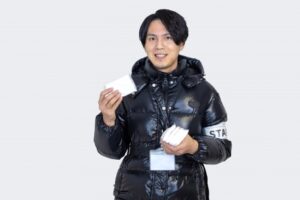
The primary job of a tissue distribution part-timer is to hand out pocket tissues at designated locations and times. Often, they operate in busy areas like train stations or around shopping centers.
Wages are generally hourly, averaging between 1,000 to 1,500 yen per hour. While the job is straightforward, challenges include standing for long periods and being affected by weather conditions.
Nevertheless, the ability to work short hours and the flexibility of shifts make it a popular part-time job among students and freelancers.
Tissue Distribution in International Comparison: Is It Unique to Japan?
Comparison with Tissue Distribution Practices in Other Countries
While free distribution of pocket tissues is common in Japan, it’s a rare phenomenon globally.
In many countries, flyers and coupons are the main advertising media, and the culture of distributing tissues for free is not widely seen.
For example, although street promotions exist in the United States and European countries, the focus is on distributing product samples like food or cosmetics.
Although tissues are widely used as daily necessities, they are rarely utilized as advertising media in these regions.
Reasons Why Tissue Distribution Succeeds in Japan
Several factors contribute to the success of tissue distribution in Japan.
First, the practicality of pocket tissues themselves. Japanese people use tissues daily regardless of the season. They are used not only during hay fever or cold seasons but also in hot summers for wiping sweat. Therefore, free tissues have a high acceptance rate.
Next, street distribution is commonplace for consumers. In Japan, street sampling and promotional activities in front of stations or in shopping districts are widely accepted. Consumers are accustomed to it and have a culture of accepting items without resistance.
Furthermore, advanced printing technology and design capabilities have an impact. Companies can print clear advertisements on tissue packages, effectively conveying their messages. Additionally, meticulous marketing strategies allow for designs and messages tailored to target demographics.

Laws Related to Tissue Distribution and Environmental Impact
Laws and Regulations Concerning Tissue Distribution
When conducting tissue distribution, it’s essential to pay attention to laws and regulations. In Japan, commercial activities without permission in public places are restricted under laws like the Road Traffic Act and the Urban Parks Act. Therefore, companies and part-time staff must be meticulous about distribution locations and methods.
Specifically, distributing in front of stations or within commercial facility premises requires permission from the management. They must also choose distribution locations and times that do not obstruct pedestrians or surrounding traffic. Additionally, when distributing items to an unspecified large number of people, the content must not violate public order and morals.

Consideration for Environmental Issues and Eco-Friendly Alternatives
In recent years, as interest in environmental issues has grown, there’s a demand for environmental consideration in tissue distribution. The large amount of paper resources used in tissue distribution can lead to the consumption of forest resources and an increase in waste.
As a result, companies are moving towards adopting eco-friendly tissues made from recycled paper or eco-materials. There’s also an increasing trend of distributing reusable items like eco-bags or masks instead of tissues.
Moreover, non-contact promotions utilizing digital coupons or QR codes are gaining attention. This not only reduces paper resource consumption but also serves as an effective measure against infectious diseases.
By conducting environmentally conscious promotions, companies can enhance consumer trust and improve their brand image.
Conclusion: The Future and Business Opportunities Brought by Free Distribution
The widespread practice of distributing free pocket tissues in Japan stems from unique cultural aspects, consumer psychology, and clever business models.
This method effectively delivers advertisements through practical items, offering numerous benefits to both companies and consumers.
However, due to environmental concerns and the advancement of digitalization, tissue distribution is at a turning point. Adopting eco-friendly materials and introducing new promotional methods that meet contemporary needs are required.
The simple method of free distribution still harbors many business opportunities. By exercising creativity and responding to consumer needs, companies can generate new value.